How to Conduct an Ecommerce CRO Audit: Framework, Checklist, and Prioritization
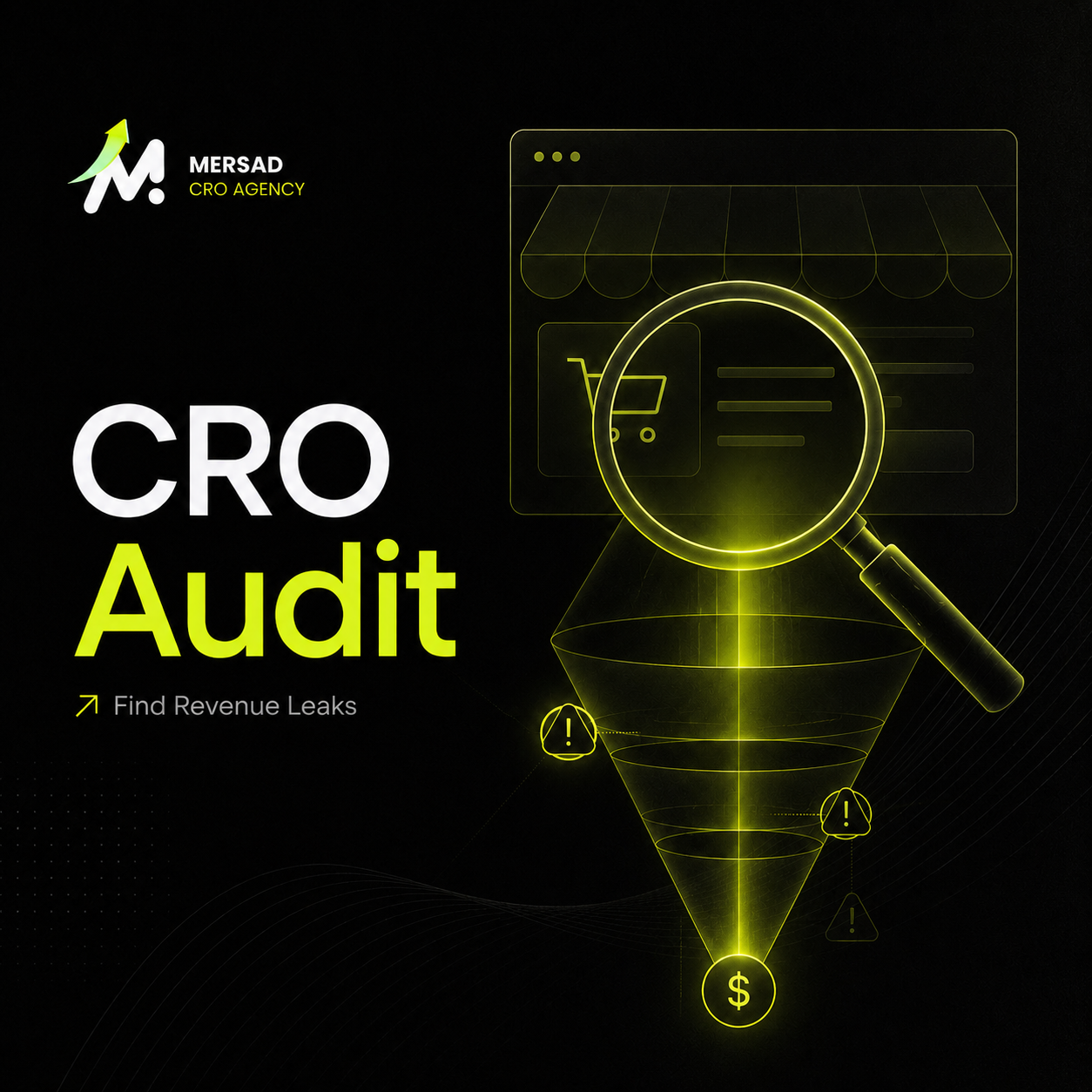
An ecommerce CRO audit is not a visual opinion about whether a website looks modern. It is a structured investigation of the customer journey, data quality, traffic mix, product experience, checkout, operations, and measurement.
The goal is to identify where revenue is being lost, why the loss may be occurring, how confident the evidence is, and which actions should be implemented first.
What Is an Ecommerce CRO Audit?
A CRO audit is a wide-ranging examination of how customers discover products, evaluate options, build trust, add items to the cart, complete checkout, and receive value after purchase.
A useful audit separates confirmed findings from observations, hypotheses, assumptions, and recommendations. It does not present every design preference as a conversion problem.
The CRO Audit Framework
1. Business Context
- Business model and revenue goals
- Primary markets
- Product categories
- Customer acquisition model
- Margin structure
- Seasonality
- Payment, delivery, returns, and inventory constraints
A store selling low-cost replenishment products requires a different CRO approach from a high-consideration furniture or luxury store.
2. Tracking and Data Quality
- GA4 ecommerce event coverage
- Purchase and revenue validation
- Duplicate or missing events
- Campaign attribution
- Cross-domain tracking
- Refund and cancellation treatment
- Consent and data loss
Do not prioritize based on unreliable data. A tracking issue is a critical fix, not an A/B test.
3. Traffic and Segment Analysis
Review Device, Source/Medium, Campaign, New vs Returning, Geography, Landing Page, Product Category, Browser, and Customer Type.
A blended metric can hide strong and weak segments. The audit should identify which segments contribute most to the decline or opportunity.
4. Funnel Analysis
- Landing Page to Product View
- Product View to Add to Cart
- Add to Cart to Checkout Start
- Checkout Start to Payment
- Payment to Purchase
- Purchase to Repeat Purchase
Measure absolute user loss as well as percentage drop. High-intent losses later in the journey can have high commercial value.
5. Homepage and Navigation
- Value proposition
- Information architecture
- Category access
- Mobile navigation
- Search visibility
- Promotion clarity
- Trust and audience fit
6. Product Listing Pages
- Default sort
- Filters
- Product-card content
- Price and discount clarity
- Stock visibility
- Variant availability
- Category diversity
- Mobile scanning efficiency
7. Product Pages
- Product value communication
- Images and video
- Variant selection
- Size and compatibility guidance
- Delivery
- Returns
- Reviews
- Add to Cart visibility
- Mobile layout
- Technical performance
8. Cart and Checkout
- Unexpected costs
- Guest checkout
- Field complexity
- Payment methods
- Delivery options
- Error handling
- Order summary
- Mobile keyboard behavior
- Trust and security
- Coupon friction
9. Search and Product Discovery
- Zero-result searches
- Synonyms
- Typo tolerance
- Result relevance
- Merchandising
- Query refinement
- Search exits
10. Post-Purchase Experience
- Order confirmation
- Delivery communication
- Support access
- Returns
- Product adoption
- Review requests
- Repeat purchase
Evidence Standards
Every recommendation should answer five questions: What is the issue? What evidence supports it? What business impact could it have? What validation is still required? What metric will show improvement?
How to Convert Audit Findings Into Action
A large audit can create a long issue list. The value comes from prioritization.
- Critical fixes: broken tracking, payment failures, severe UX defects, incorrect pricing.
- High-priority opportunities: strong evidence, high traffic, material revenue impact.
- Medium opportunities: credible hypothesis but incomplete evidence.
- Low opportunities: minor polish or low-volume areas.
A Practical CRO Audit Recommendation Template
- Issue
- Evidence
- Impact
- Recommendation
- Why it may work
- Priority
- Effort
- Owner
- Required validation
- Success metric
Common Audit Failures
- Using generic checklists without store data.
- Treating every heuristic violation as equally important.
- Blaming the website before checking traffic quality.
- Ignoring payment, delivery, inventory, and product mix.
- Recommending tests for obvious defects.
- Producing recommendations without owners or acceptance criteria.
- Presenting benchmarks as universal targets.
Deliverables a Strong CRO Audit Should Produce
- Executive summary
- Data quality findings
- Funnel diagnosis
- Segment analysis
- UX and heuristic findings
- Tracking requirements
- Prioritized roadmap
- Implementation briefs
- Experiment opportunities
- Measurement plan
- QA checklist
Quantitative Audit Questions
- Which landing pages receive the most traffic and revenue?
- Where did the performance change begin?
- Which Devices and channels contributed most?
- Which high-traffic pages produce no revenue?
- Which products generate interest but weak Add to Cart?
- Which categories have high returns or cancellations?
- Which payment methods fail most frequently?
Qualitative Audit Questions
- What questions repeatedly appear in support conversations?
- Where do customers hesitate or navigate backward?
- Which information do customers search for before leaving?
- What expectations are not met after purchase?
- Which Product Page claims create doubt?
Technical Audit Questions
- Are ecommerce Events reliable?
- Does the site produce JavaScript errors?
- Are important pages slow or unstable?
- Do browsers or Devices show different error patterns?
- Are payment redirects and return URLs functioning?
How to Present an Executive Summary
The executive summary should lead with the most commercially important finding. It should explain the primary performance problem, affected segments, likely causes, evidence quality, expected business impact, and immediate actions.
Avoid filling the opening pages with methodology. Decision-makers need to understand what is happening, why it matters, and what should happen next.
Frequently Asked Questions
How often should an ecommerce CRO audit be conducted?
A full audit may be appropriate annually or after a major platform, business, or traffic change. Funnel and performance reviews should occur more frequently.
Is a heuristic audit enough?
No. Heuristics identify likely usability issues, but analytics and customer evidence are needed to estimate scale, identify affected segments, and prioritize commercially.
Should every audit recommendation be tested?
No. Bugs, incorrect information, inaccessible controls, and tracking failures should normally be fixed directly. Test uncertain alternatives when evidence and traffic support experimentation.
Conclusion
A CRO audit should not be a large presentation full of generic best practices. It should be a commercial diagnosis that explains where value is lost, what evidence exists, what must be validated, and what the business should do next.
Mersad conducts ecommerce CRO audits that combine analytics, UX research, customer behavior, experimentation, and operational context.